

- Start small. One answer is progress. Ten minutes is a good session.
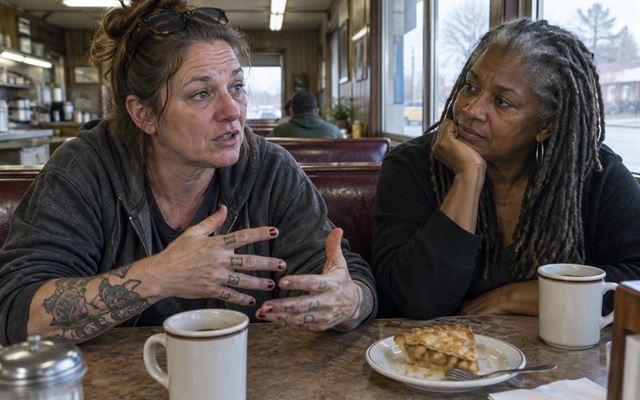
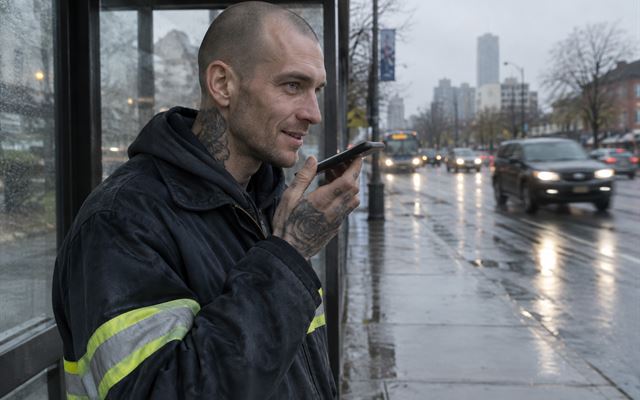
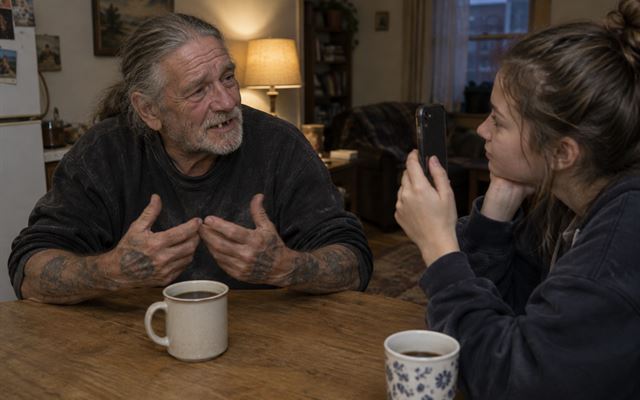
- Talk it out. Most people tell a story better than they write one. Use the microphone.
- Use your senses. The kitchen light at 3 a.m., the coffee at your first meeting, the sound of a phone you did not answer. Those details bring readers with you.
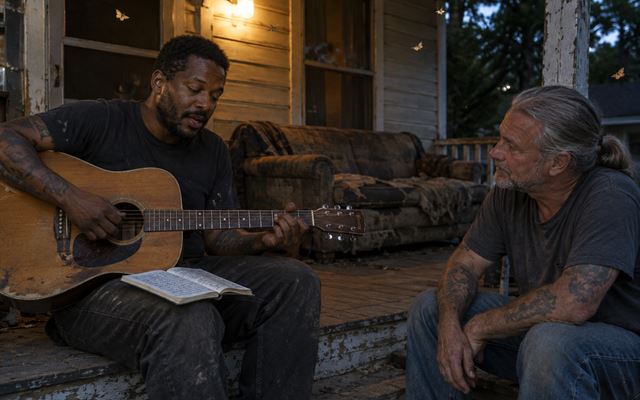
- Say who was there. Readers remember people more than places.
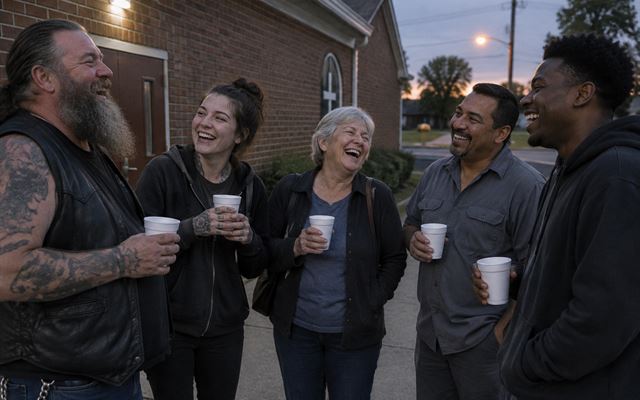
- Keep the jokes. Laughter is part of the truth. Leave it in.
- Use the words you used. Do not clean up the way you talk. Your voice is the point.
- Tell the relapses too. Coming back is part of the story. Readers who are still struggling need to hear it.
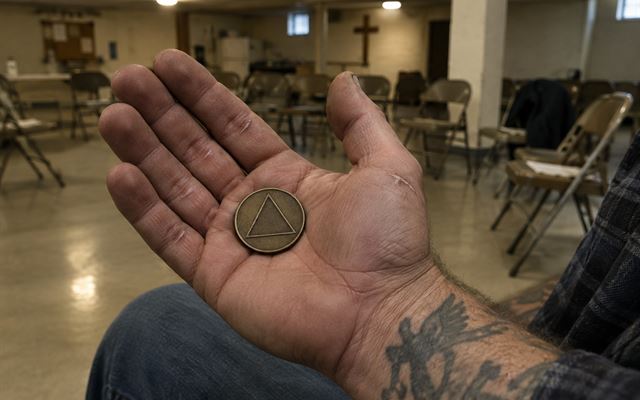
- Mark the years. Each recovery year is a chapter worth telling: where you lived, who walked with you, what it taught you.
- Hard chapters can wait. Write the good times first. Come back when you are ready.
- Memory has gaps. "I do not remember" is honest. Write around it.
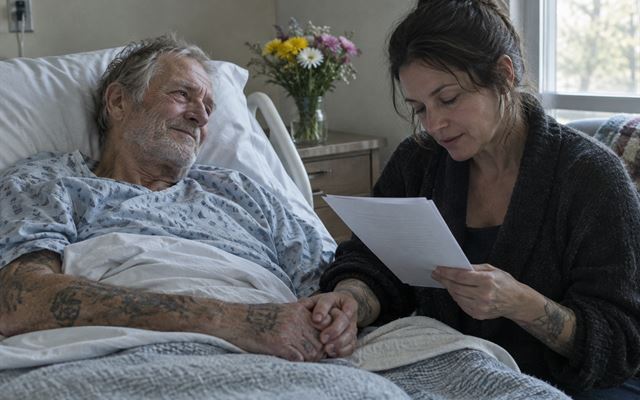
- Read it out loud. If it sounds like you, it is right.
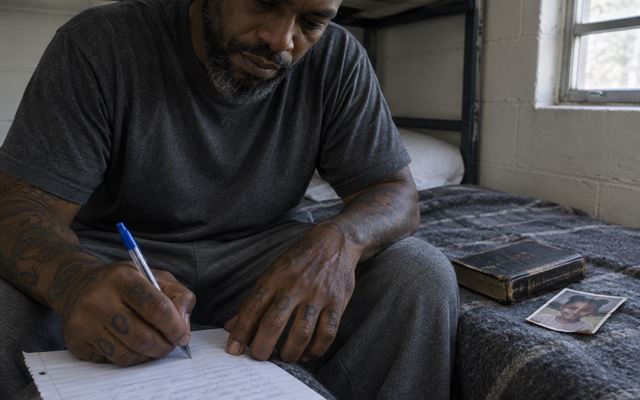
- Done beats perfect. The people who love you want your story, not a perfect book.
From people who have done it
Writing tips
 Free for people in recovery
Every recovery story is worth keeping.
Start with one question. Your guide takes it from there.