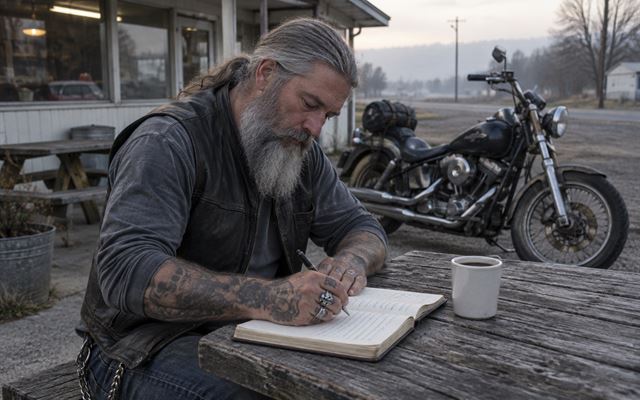
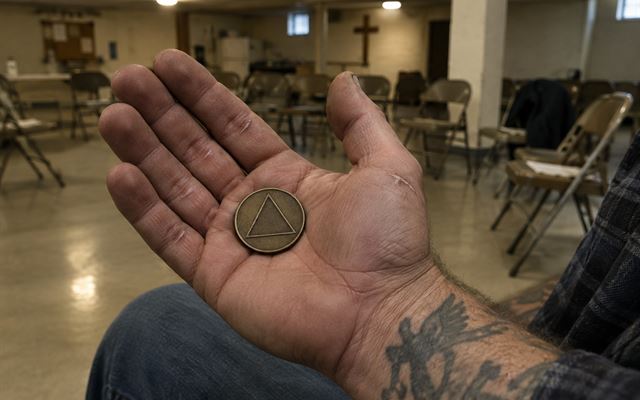
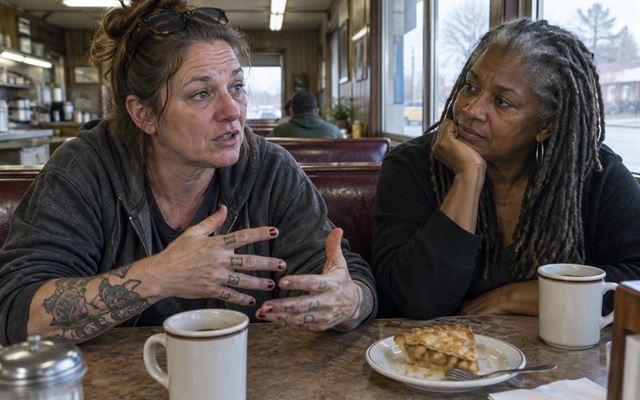
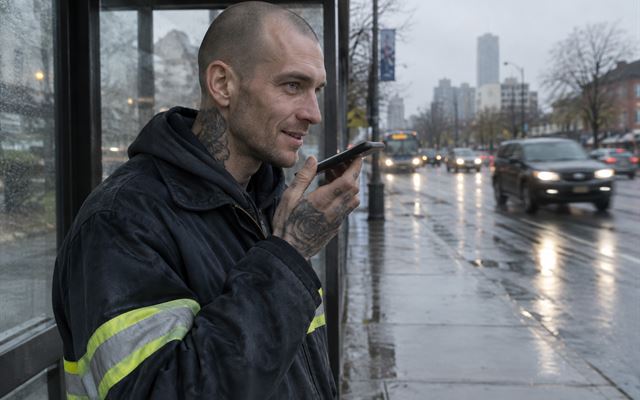
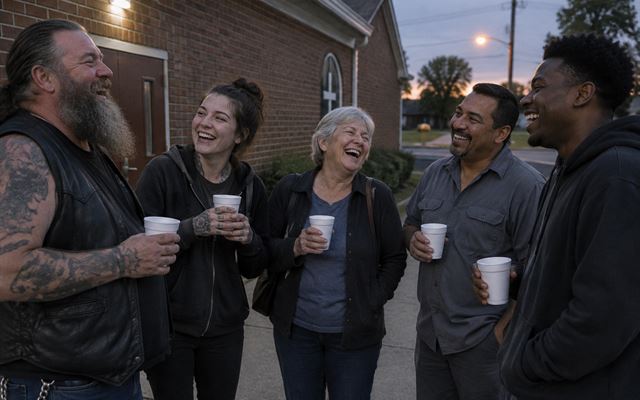

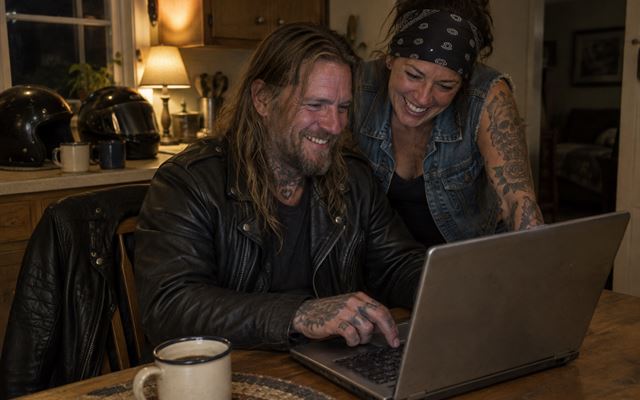
Your steps, the way you lived them.
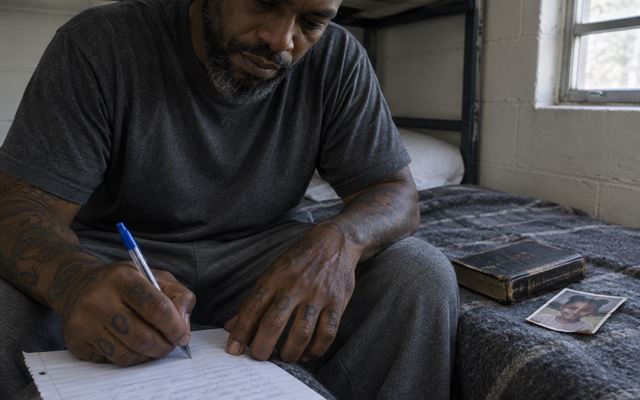
Everyone in a 12-step program knows the steps on the wall. Nobody knows your steps but you. Write each one with Sam: where you were, who walked you through it, what changed. One step at a time, in your own words.
The steps changed your life. Most people never write down how. The night you finally said it out loud. The kitchen table where you read your inventory. The first amends that went better than you feared. Those moments deserve to be kept.
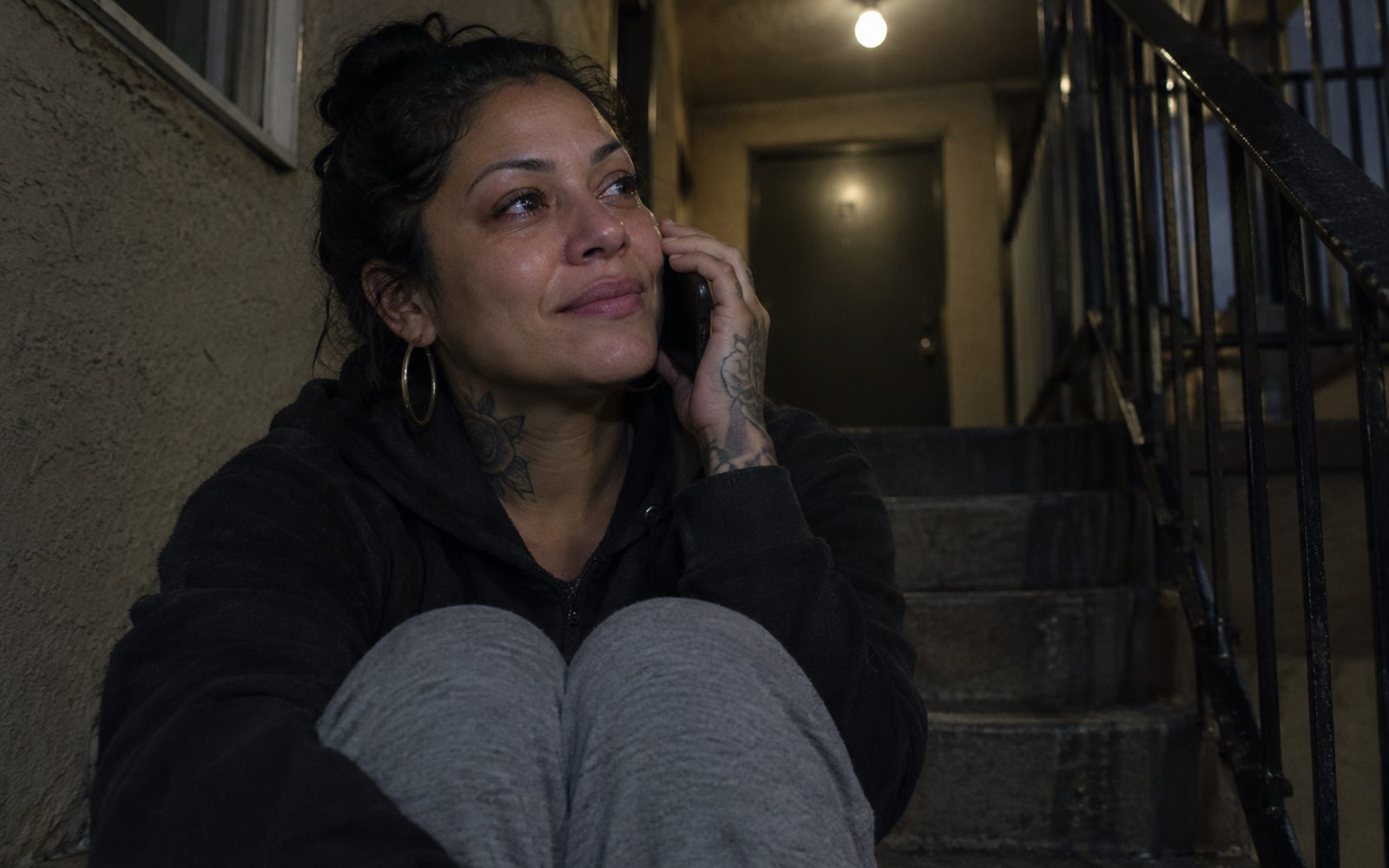
Somebody walked you through every one.
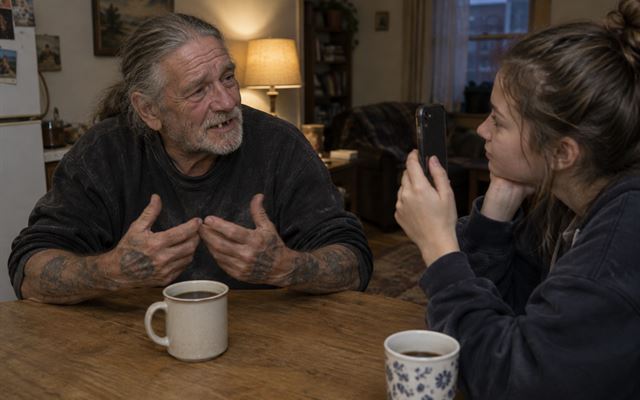
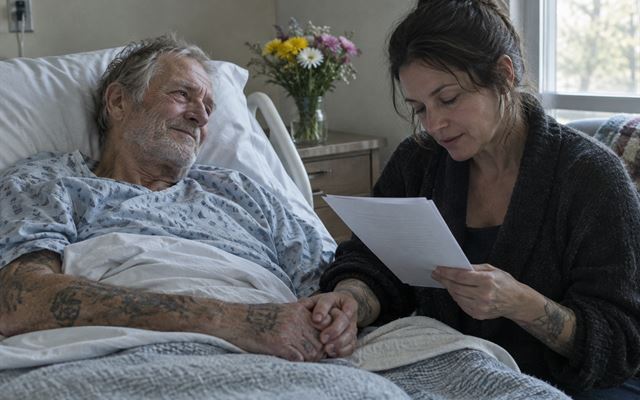
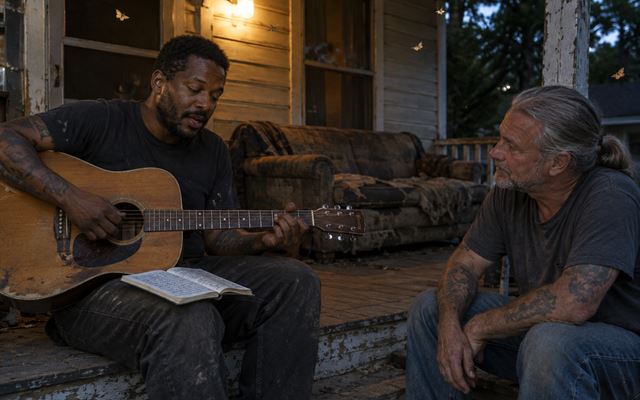
A sponsor, a home group, a counselor, a friend. Your steps are their story too. Sam asks about them, so the people who carried you end up in the book.
Twelve chapters. One at a time.
Each step is described in our own plain words. For each one, Sam asks about five questions about what working that step was really like, with answers you can tap.
Step 1: Admitting it
Admitting we could not beat it on our own, and that life had gotten out of control.
Sam asks: “When did you first admit you could not beat it on your own?”
Step 2: Finding hope
Coming to believe that a power greater than ourselves could help us get well.
Sam asks: “What did you believe about God or a Higher Power before recovery?”
Step 3: Letting go
Deciding to trust that power with our will and our lives.
Sam asks: “What did deciding to let go look like for you?”
Step 4: Looking honestly
Taking an honest, fearless look at ourselves: our resentments, our fears and the harm we caused.
Sam asks: “How did you do your inventory?”
Step 5: Telling the truth
Sharing what we found with our Higher Power, with ourselves and with another person.
Sam asks: “Who did you share your inventory with?”
Step 6: Becoming willing
Becoming ready to let go of the old patterns that held us back.
Sam asks: “Which old pattern was hardest to become willing to let go of?”
Step 7: Asking for help
Humbly asking to be changed.
Sam asks: “What does asking for help look like for you now?”
Step 8: Making the list
Listing the people we hurt, and becoming willing to make it right.
Sam asks: “How long was your list?”
Step 9: Making it right
Making amends wherever we could, unless doing so would cause more harm.
Sam asks: “Tell me about the first amends you made.”
Step 10: Staying honest
Keeping an honest check every day, and owning it fast when we are wrong.
Sam asks: “How do you take your daily check?”
Step 11: Staying connected
Prayer, meditation or quiet time to stay connected.
Sam asks: “What does your quiet time look like?”
Step 12: Passing it on
Carrying the message to others, and living it every day.
Sam asks: “What does carrying the message look like for you?”
Simple, and yours.
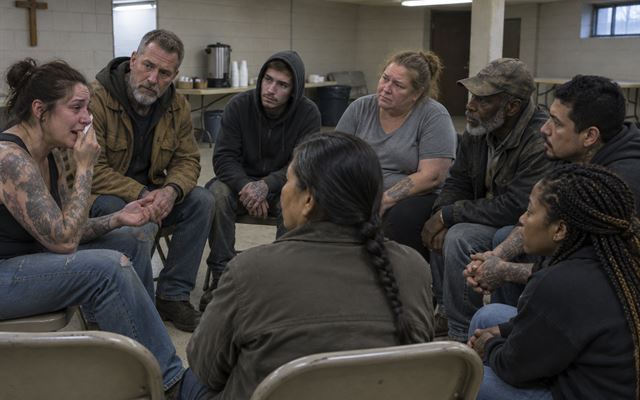
Pick your program
AA, NA, Cocaine Anonymous, Celebrate Recovery or another 12-step program. Sam uses its words.
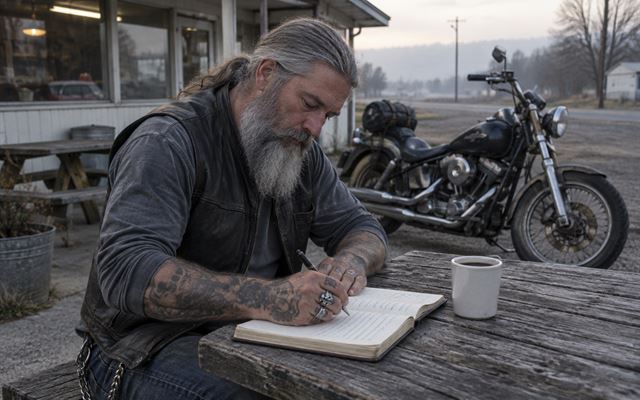
One step at a time
Tap an answer, talk or type. Sam asks follow-up questions so your pages are full of real detail.
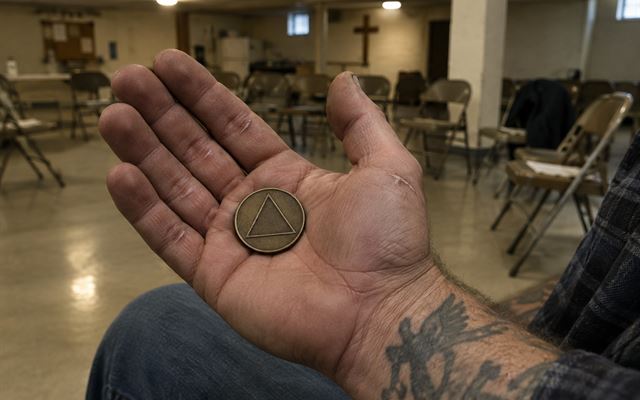
A chip for every step
Each step you write lights up its own chip. Your home group can cheer you on, without ever seeing your words.
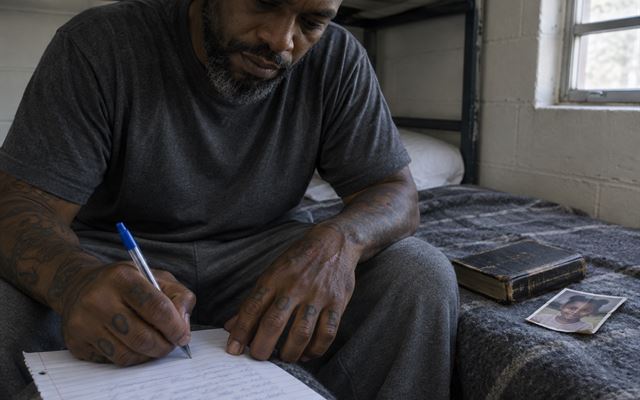
Add it to your book
One switch adds your steps to your book as their own part, called Working the 12 Steps.

Locked to you
Your writing is scrambled on your phone before it is saved. Nobody can read it, not even us.
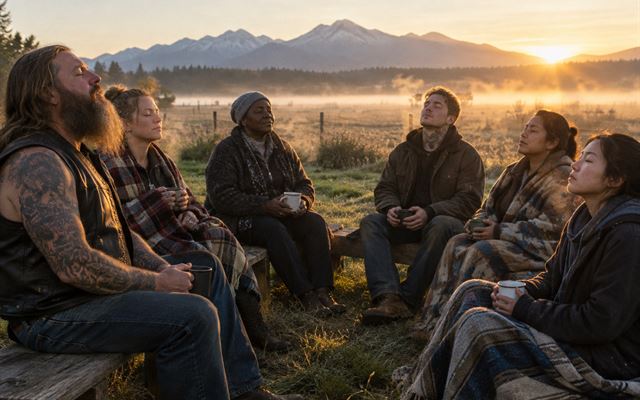
Go at your own pace
Start anywhere. Skip anything. Steps four, five, eight and nine go extra gently.
Your inventory is not our business.
Some things belong between you, your sponsor and your Higher Power. Sam respects that.
- Sam never asks what is on your inventory or your amends list. Only what it was like to do it.
- Names can be initials, or nothing at all.
- Everything you write is locked on your phone before it is saved.
- You decide if your steps ever go in your book, and you can take them back out.
- Sharing a milestone says which step you finished. It never shares your words.

Someone reached back for you.
Your steps, written down, are how you reach back for the next person. Keep them for yourself, for your sponsor, or for a newcomer who needs to know it works.
Alcoholics Anonymous. Narcotics Anonymous. Cocaine Anonymous. Celebrate Recovery. And every other program built on the twelve steps.
The steps are described here in our own words. One Day, One Page is not part of, or endorsed by, Alcoholics Anonymous, Narcotics Anonymous, Cocaine Anonymous, Celebrate Recovery or any other fellowship.
Not in a 12-step program? Every path is welcome here. Write your book your way.
 Free for people in recovery
Write your steps.
Free for people in recovery. Start with Step 1, or start anywhere.
Need help now? Call or text 988. SAMHSA National Helpline 1-800-662-4357, free and open all day, every day. Overdose: call 911.
Photos are illustrations of recovery life. They do not show real residents or clients.