It is part of what happened.
The joke someone cracked on the worst day is part of that day. Leave it out and the story gets less true, not more serious.
Every project uses the same calm guide, one question at a time.
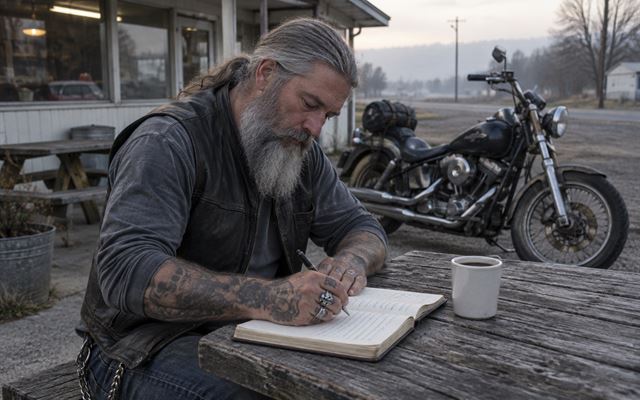 Write my bookTurn your recovery journey into a book, in 31 chapters.
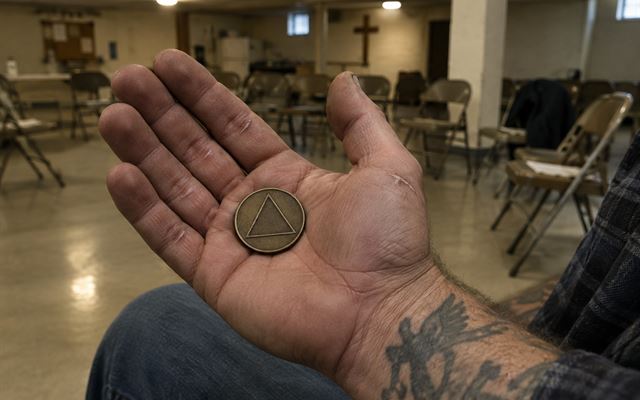 My road to recoveryMap the road you traveled: the places, the people and the turning points.
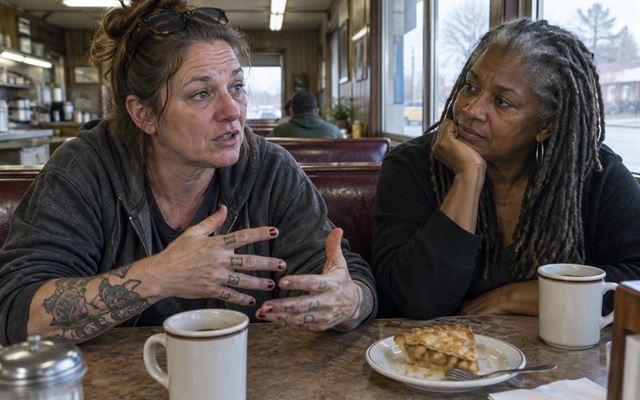 Tell one storyOne memory, start to finish, in about ten minutes.
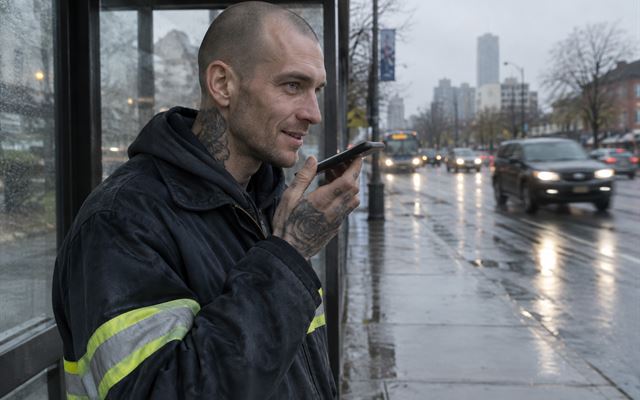 Just talkNo questions. Tap Talk and tell it like you would to a friend.
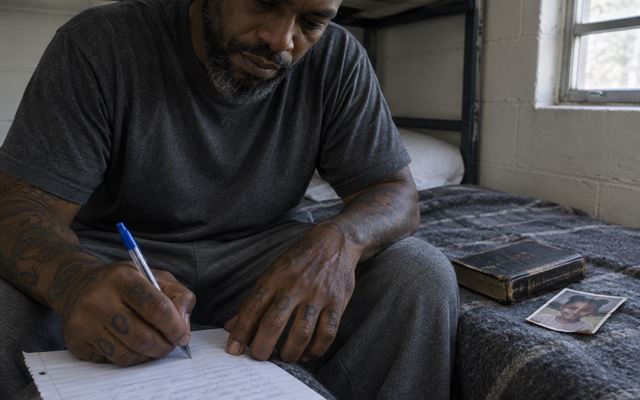 Write a letterTo someone you hurt, someone you lost, or you on day one.
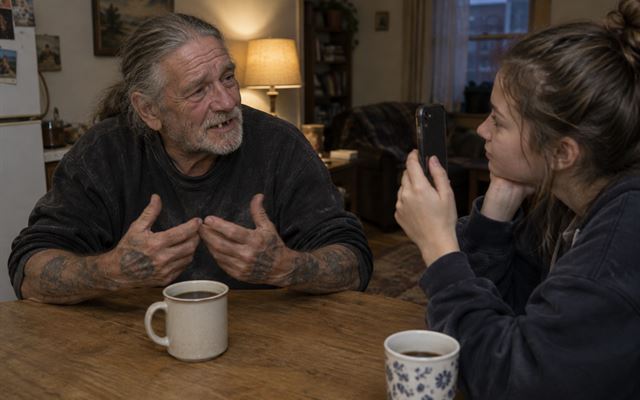 Sit down with someoneFamily or a friend asks. You answer together.
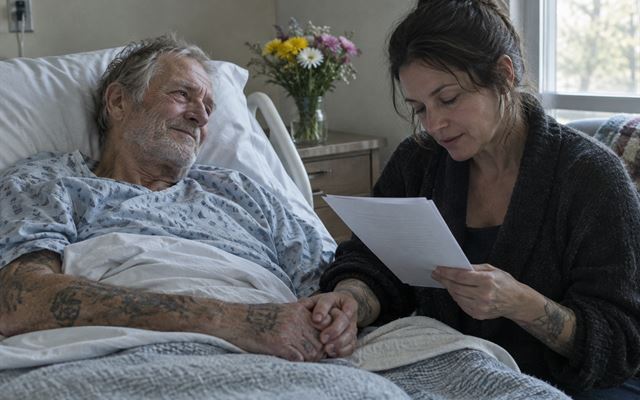 Answer five questionsThe short version, in large print, for a bedside or a hard day.
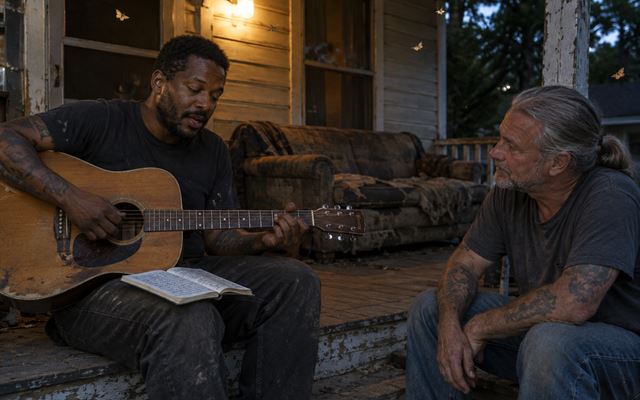 Write a songYour words, laid out as verses and a chorus.
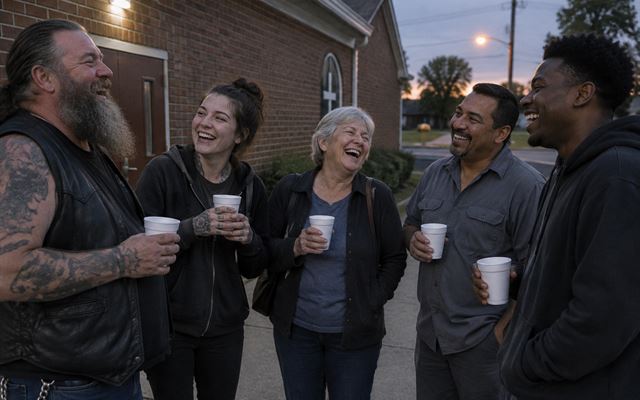 Jokes and sayingsThe funny stories, inside jokes, slogans and one-liners that got you through.
 Pitch a filmOne true story, told the way a movie pitch is told.
 Write my movieYour true story as a real script: a movie, a TV show or a documentary.
The funny stories from meetings, the inside jokes from the house, the slogans, the nicknames and the one-liners that got you through a hard day. The lines that still get a laugh, or a nod, years later. Keep them, in the words you used.
Every group, every friendship and every hard stretch has its own language. A nickname that stuck. A line someone said at exactly the right time. One sentence that still cracks up the whole table.
It lives in a few heads and nowhere else. This project is a place to keep it, one line at a time.
These are the prompts in the app. Under each one is an example answer, made up to show how short it can be. One line counts.
One day at a time. Some days, one hour at a time.
Example answerA guy's phone went off right in the middle of the closing prayer. His ringtone was a song about margaritas. Even he laughed.
Example answerThey called me Coffee because I drank eight cups at my first meeting.
Example answerProgress, not perfection.
Example answerWhoever burned the coffee had to wear the house apron for a whole day. I wore it nine times my first month.
Example answerWe call the diner after the meeting the second meeting. The pie is the higher power.
Example answerFeed yourself, sleep, and call somebody. Then decide how you feel.
Example answerThis feeling is a visitor. It doesn't live here.
Example answerI fell asleep in group and snored so loud the counselor started taking notes on it.
Example answerExamples are made up. They are never added to anyone's writing.
A recovery story with no laughs in it is not the whole story. Humor is how a lot of people got through the long days, and how they still talk about them.
The joke someone cracked on the worst day is part of that day. Leave it out and the story gets less true, not more serious.
A nickname tells a reader more about a person than a page of description. One saying can bring a whole room of people back.
Kids and grandkids often hear the hard stories, or nothing at all. The funny ones let them meet the young person you were.
Humor is part of the truth. Leave it in.
From our writing tipsSometimes a funny story turns heavy halfway through. That is normal. You can stop, skip, and come back another day. If it gets to be too much, help is there any time: call or text 988. For an overdose or emergency, call 911.
There are no chapters and no order. It is a running list you add to whenever one comes back to you. Try a practice copy of the screen. Swipe the prompts sideways. Nothing on this page is saved.
Pick a prompt, or just write.
Anything goes
A practice copy of the app screen. Nothing here is saved or sent.
Some sayings were not written for a church newsletter. Your collection is locked on your device before it is saved, so you can write it exactly the way it was said.
 Free for people in recovery
Start your collection today. One line is enough to begin, and only you can read it.