
One true story. Told like a movie.
Turn one true event from your life into a film pitch: the opening, the people, the big moments and the ending. The format producers read first.
This is not a place to make something up. Every film idea here starts with one thing that really happened to you.
Not invented. Lived.
Plenty of movies about addiction are made up. Yours will not be. Sam asks about one real event, and the whole pitch is built from what you remember about it.
- Big or small. A phone call, a long night, a relapse and the way back, a first day, an anniversary.
- Every sentence is one you said. Nothing added.
- "I do not remember" is always a real answer. Skip anything.
Which true event from your life would make the film? Say it in a sentence or two.
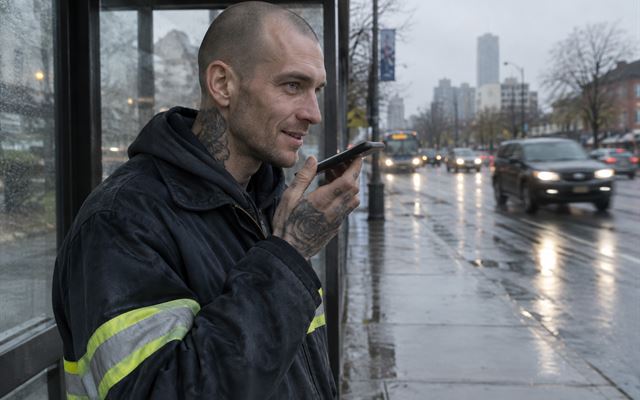
Seven frames. One night in the rain.
Here is how an answer turns into a scene. These are the example answers that sit under each question in the app. They are made up, to show how much, or how little, to say.
A phone booth under one streetlight, rain coming down sideways.
Me, twenty-four and scared out of my mind. My sister, who never gives up on anybody. My old friend who wants me to stay.
I put my last quarter in the phone and she picks up on the first ring.
My friend comes out and asks me to come back inside. I say no.
Three hours waiting in the rain, wanting to go back in the whole time.
Headlights turn the corner and it's her.
The two of us in her car, heater blasting, driving into the sunrise.
Example answers. Made up to show how it works. They are never added to anyone's writing.
Twelve questions. One at a time.
These are every question in the film project, in order. Sam asks them one per screen. Answer by talking or typing. A few words is plenty.
- 01The true story
Which true event from your life would make the film? Say it in a sentence or two.
EXAMPLEThe night I walked out of a party and called my sister from a payphone, and she drove three hours to get me.
- 02The opening
Where does the film open? What do we see first?
EXAMPLEA phone booth under one streetlight, rain coming down sideways.
- 03The main people
Who are the main people? A few words about each one.
EXAMPLEMe, twenty-four and scared out of my mind. My sister, who never gives up on anybody. My old friend who wants me to stay.
- 04What I wanted
What did you want or need back then?
EXAMPLETo get out before it was too late.
- 05What stood in the way
What stood in the way?
EXAMPLEMy friends, the rain, no money, and a voice in my head saying one more night won't hurt.
- 06The first big moment
Describe the first big moment.
EXAMPLEI put my last quarter in the phone and she picks up on the first ring.
- 07The turn
What is the moment where everything turns?
EXAMPLEMy friend comes out and asks me to come back inside. I say no.
- 08The hardest moment
What is the hardest or biggest moment?
EXAMPLEThree hours waiting in the rain, wanting to go back in the whole time.
- 09The ending
How does it end?
EXAMPLEHeadlights turn the corner and it's her.
- 10The last image
What is the last thing the audience sees?
EXAMPLEThe two of us in her car, heater blasting, driving into the sunrise.
- 11The title
What would you call it?
EXAMPLEThe Last Quarter.
- 12The pitch
If you had one sentence to pitch it, what would you say?
EXAMPLEA young woman has one quarter, one phone call and three hours of rain to decide whether to go home.
Your whole film, in one sentence.
The last question asks for the pitch. Film people call it a logline: who it is about, what they have to do, and what stands in the way. Try yours on the marquee. Nothing here is saved.
Your one-sentence pitch shows up here as you type.
Based on a true storyFrom one memory to a pitch on paper.
Pick the true story
The first question asks which event from your life would make the film. A sentence or two is enough.
Answer the twelve questions
One per screen. Talk or type. Skip anything, or say "I do not remember." It saves as you go.
Tap Make my pitch
Your answers are laid out under plain headings, in your own words. Change any word you like.
Keep it, or share it
Download a PDF, send a private link, or publish a public page after a safety check.
- THE TRUE STORY
- The night I walked out of a party and called my sister from a payphone, and she drove three hours to get me.
- THE OPENING
- A phone booth under one streetlight, rain coming down sideways.
- THE MAIN PEOPLE
- Me, twenty-four and scared out of my mind. My sister, who never gives up on anybody. My old friend who wants me to stay.
- WHAT I WANTED
- To get out before it was too late.
- WHAT STOOD IN THE WAY
- My friends, the rain, no money, and a voice in my head saying one more night won't hurt.
...and seven more headings, ending with the title and the pitch.
Some true stories are heavy. Go at your own pace.
A film needs a hardest moment, and that question can bring things back. You decide how much to say, and when.
- Skip any question and come back another day
- Pick a different story if this one is too much right now
- A relapse can be the heart of a film. Most people in recovery have one, and some led to the way back. Tell it with respect. There is no shame in it.
- Before you share, think about the real people in it. Use first names or initials for anyone from meetings, treatment or groups. Read Before you share.
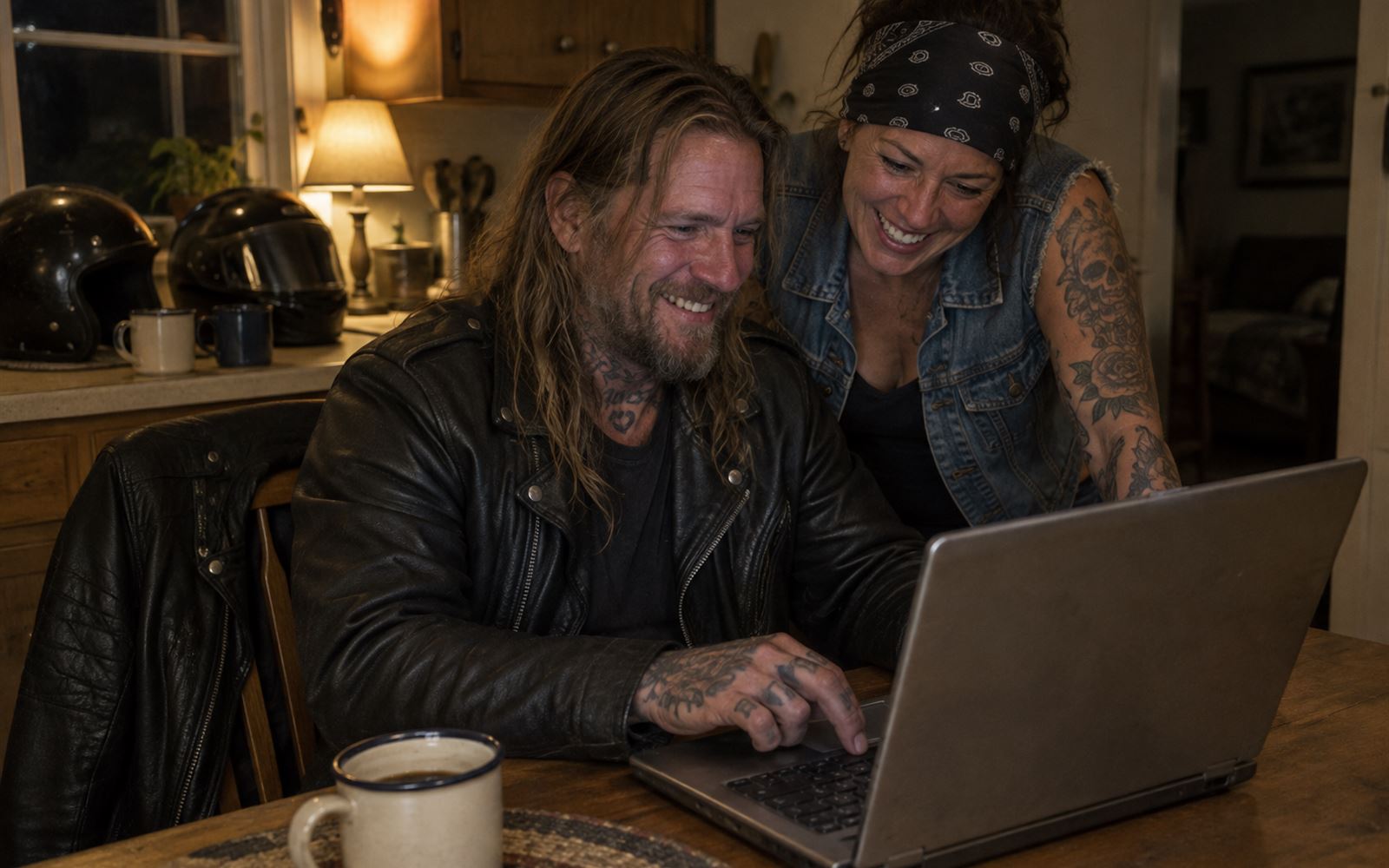
Before the cameras roll.
Is this a screenplay?
Does my story have to be true?
Does it have to be about addiction?
Will you send my pitch to anyone?
What if I do not remember part of it?
Can I change it after?
Does it cost anything?
Free for people in recoverySome stories deserve the big screen.
Start with one true event from your life. Twelve questions, one at a time, and only you can read it.